Understanding Mental Models

Understanding Mental Models

In understanding human behavior, it is useful to focus on how people think and interpret information. Psychological science provides many useful ways to understand human cognition and one of the most popular and scientific approaches is the mental model paradigm. Mental models provide an explanation of how a phenomenon works in the real world and helps individuals classify objects and stimuli into meaningful categories. A mental model is an internal representation of something concrete. A useful definition of mental models is provided by the psychologist, Jay Wright Forrester: The image of the world around us, which we carry in our head, is

Read More
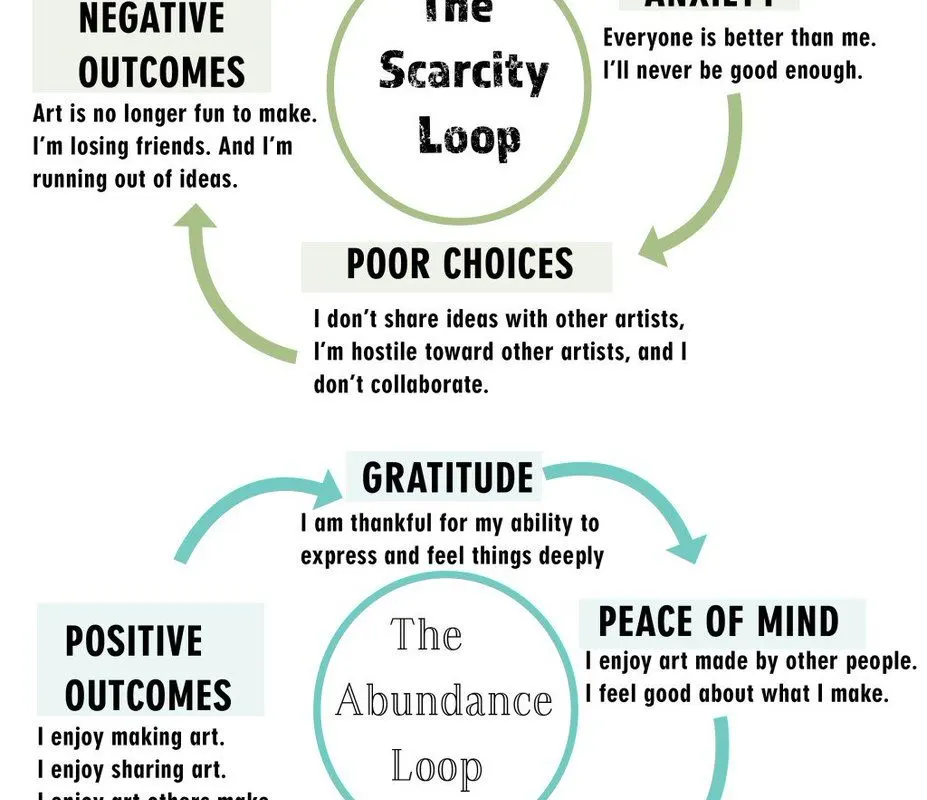
The Need to Avoid a Scarcity Mindset And Develop an Abundance Mindset

The Need to Avoid a Scarcity Mindset And Develop an Abundance Mindset

Do you think the world has enough for everyone’s needs or do you think there are not enough resources and everyone has to fight hard to get their share? If it is the former, you have an abundance mindset. If it is the latter, you have a scarcity mindset. The Scarcity Mindset People with a scarcity mindset tend to view life as a zero-sum game, in which one person’s gain is another person’s loss and vice versa. It is often the result of a very narrow mindset, which cannot think beyond the immediate or the short-term. Given below are the typical characteristics of a person with a scarcity mindset.

Read More

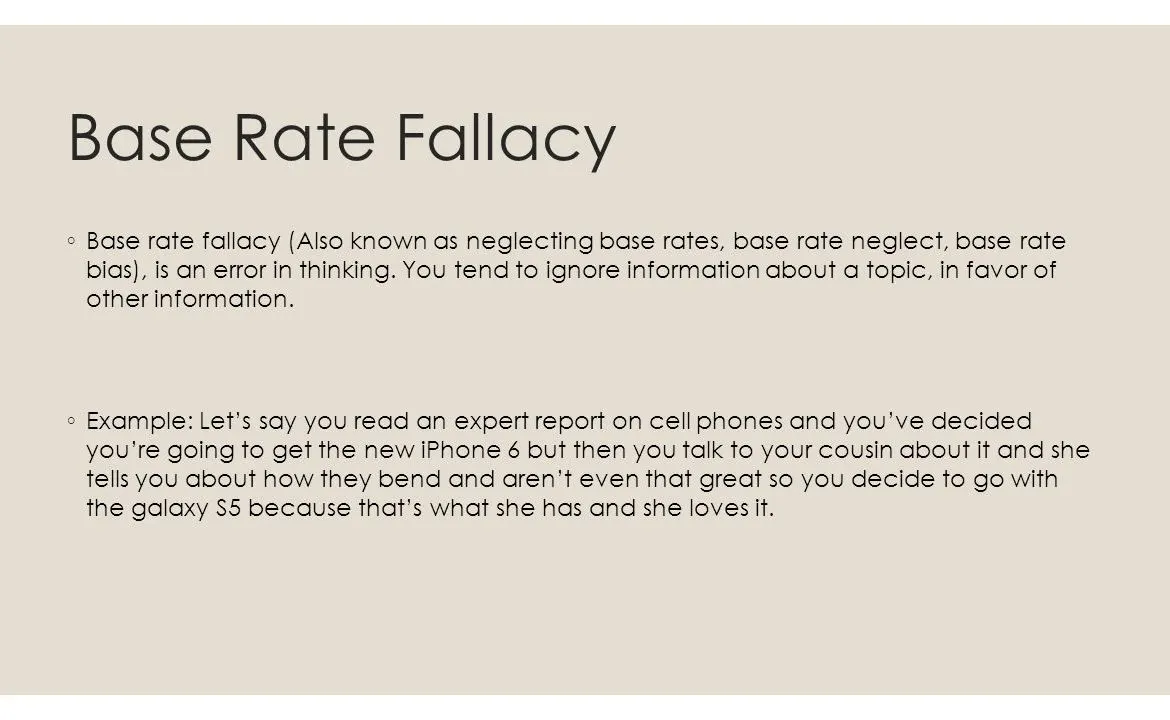
Failure to Account For Base Rate – How It Affects Your Decision Making Process

Failure to Account For Base Rate – How It Affects Your Decision Making Process

Failure to account for base rate, also referred to as base rate neglect or base rate fallacy, is the habit of jumping to conclusions without factoring in all the relevant, important data. People often try to determine the likelihood of an event without taking into account the ‘base rate’ – the statistical information that can help them make an informed decision. Base Rate Fallacy Explained To be clear, people do not make any decision without considering certain factors or data. The problem, however, is that the data they take into account is not relevant in many cases. As a result, any decision they make is likely to be erroneous. Let us consider a person named X

Read More

Order of Magnitude – What Is It and Why Is It Needed?

Order of Magnitude – What Is It and Why Is It Needed?

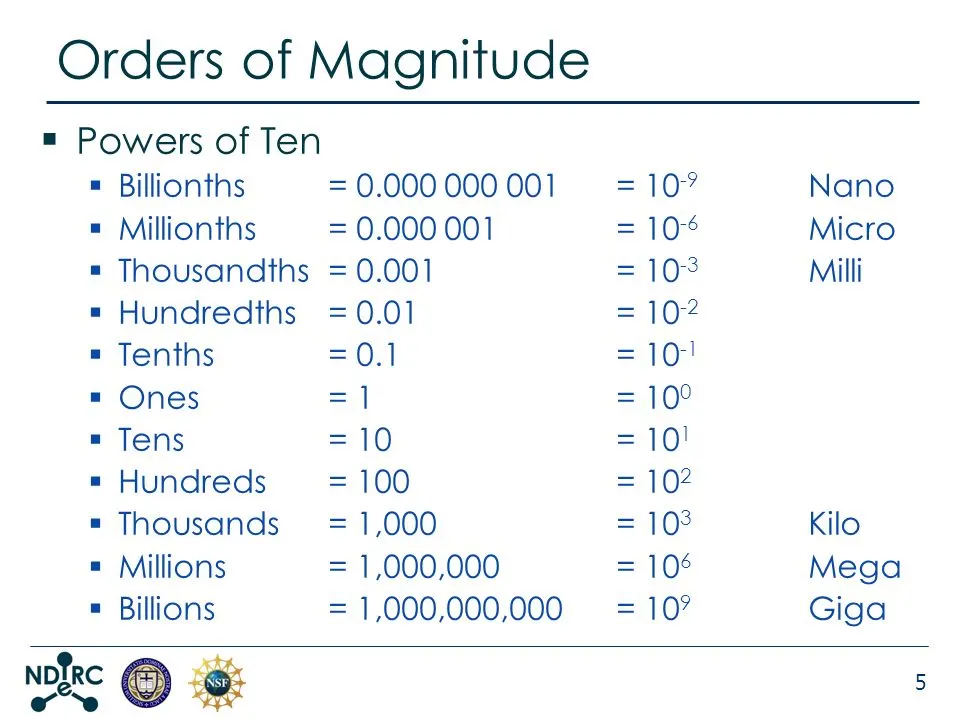
Order of magnitude (OOM) is a method of numerical representation in which numbers are described in terms of powers of ten. For example, 3,474,000, which is the diameter of the moon in meters, can be written as 3.474 x 10⁶. Similarly, 0.00000000000000000000000000166, which is the weight of one atomic mass unit in kilograms, can be written as 1.66 x 10⁻²⁷. Expressing Numbers in OOM The OOM of a number is essentially the number of powers of 10 it contains. For example, the core temperature of the sun is 15,600,000 K. The number can be expressed in terms of OOM as 1.56 x 10⁷. In other words, if the OOM of a number needs to be increased

Read More

Single and Double Loop Learning – How Organizations React to Problems and Why It Matters

Single and Double Loop Learning – How Organizations React to Problems and Why It Matters

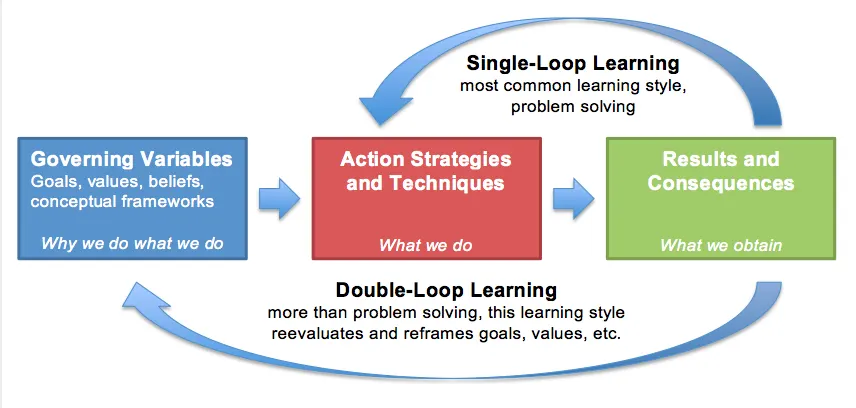
It is said that change is the only constant in life. The principle applies not just to individuals, but large organizations as well. Any large organization ought to be able to unlearn outdated things, learn new things, change its assumptions and projections from time to time based on data, and constantly adapt to an ever-changing environment. This is where the single and double loop learning concepts enter the picture. Single and Double Loop Learning The concept of single and double loop learning was developed by the duo of Chris Argyris, who was a psychologist, and Donald Schon, who was a philosopher. The concept deals with organizational learning

Read More

Long Tail – The Paradigm Shift in the 21st Century Marketplace

Long Tail – The Paradigm Shift in the 21st Century Marketplace

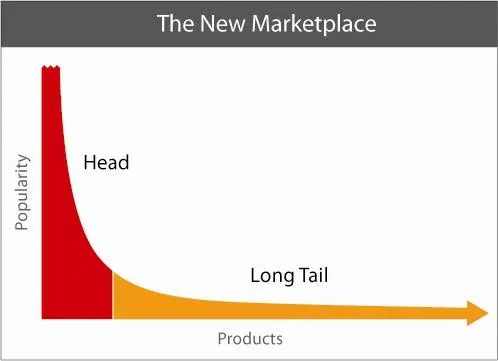
The long tail is a business model which involves offering a large number of niche products that are low in demand and have a low sales volume. This is in stark contrast from traditional business models, which focus more on a small number of best selling products with a large market share. The term was coined and popularized by Chris Anderson, who made an argument for long tail based business models and marketing strategies in his book ‘The Long Tail: Why the Future of Business is Selling More for Less’. In his book, Anderson says that we are witnessing the transition from a marketplace that focuses on best selling products to one that focuses on a million

Read More

The Beginner’s Guide to the Law of Small Numbers

The Beginner’s Guide to the Law of Small Numbers

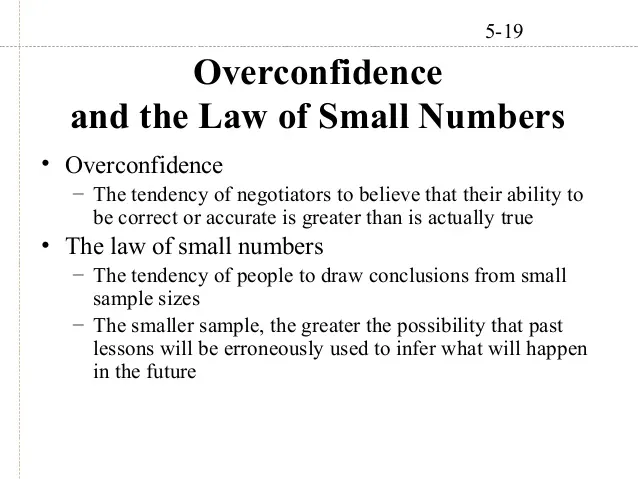
Humans are social beings by their very nature. We generally try to emulate other people’s behavior and follow the norms so that we do not stand out from the rest unless your name is Napoleon Dynamite. In most instances, people base their decisions on a simple logic – if so many people are doing it, it must be right, so I must do it too. This is why you often come across commercials that claim that ‘three out of five dentists recommend this mouthwash’, ‘seven out of ten people are satisfied with this vacuum cleaner’, and so on. The idea is to convey a message – ‘so many people are using it, so must you’. The problem, however, with

Read More

Discussing The Lindy Effect

Discussing The Lindy Effect

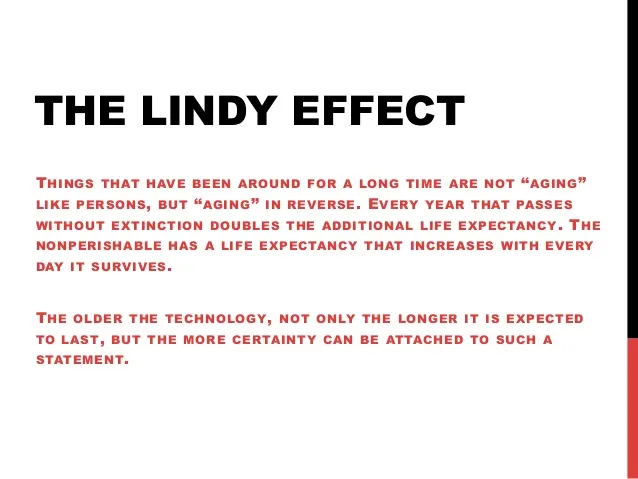
The Lindy Effect gained its named from a deli in New York, named LINDY’S. The idea was proposed by Albert Goldman. A standout author, he explained how the Lindy Effect has relevance in many real-life situations. The same was later popularized by intellectuals and influencers like Nassim Taleb who detailed the theory in Antifragile—his 2012 book that has won rave reviews and continues to arouse a lot of curiosity. The idea has been recreated, argued with and repeatedly explained by many physicists, mathematicians, and thinkers. The explanations continue, and so does the charm of this interesting concept. What is the Lindy Effect?

Read More

Dunbar’s Number and Its Relevance in Daily Life

Dunbar’s Number and Its Relevance in Daily Life

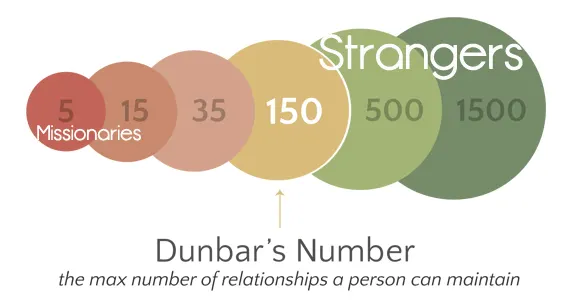
What is the number of close friends and acquaintances you have in your social circle? For some people, it might be a count-on-one-hand list, for some others, it might be a large number. The average human being, according to experts, is capable of maintaining stable, social relationships with 150 people, which is known as Dunbar’s Number. What Is It? Dunbar’s Number is a concept developed by British anthropologist Robin Dunbar. It is the number of social relationships that the average person is capable of developing and maintaining throughout their life. Dunbar developed this theory while studying the relationship between the brain size of primates

Read More

Matthew Effect and Its Manifestations in Daily Life

Matthew Effect and Its Manifestations in Daily Life

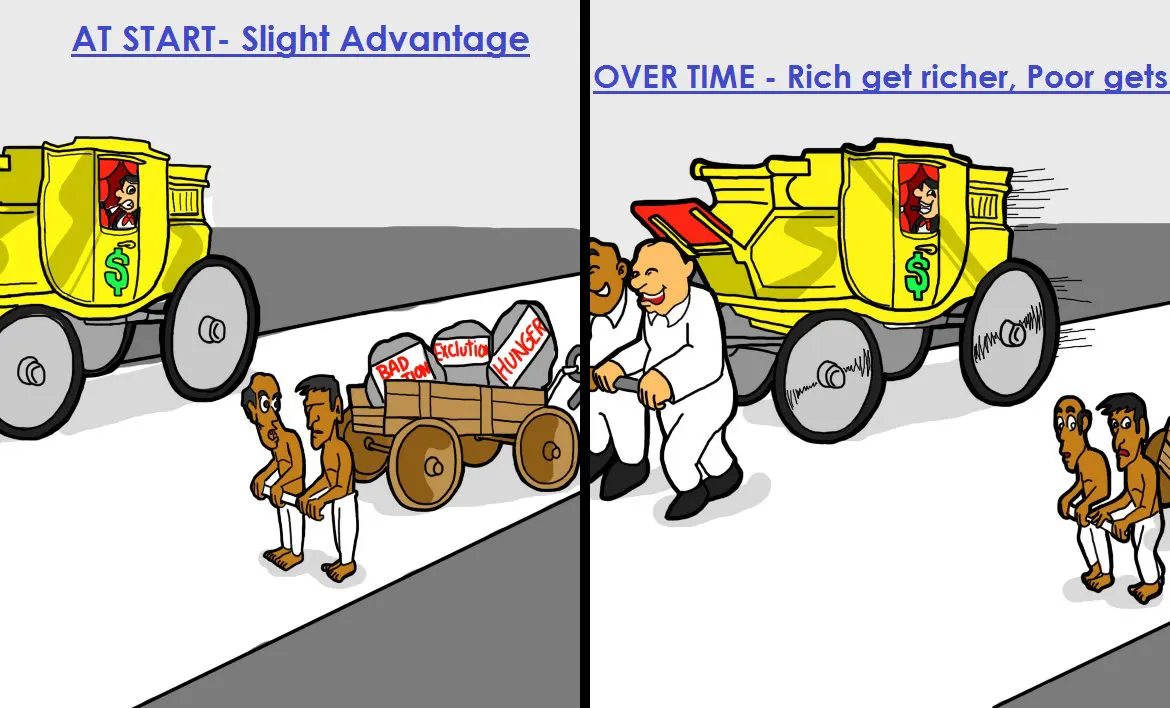
Have you ever wondered why some people seem to go from strength to strength in life while some others not only tend to get stuck in a rut, but actually regress over time? It is not merely ‘bad luck’ or ‘some people just do not have it in them’. It is a manifestation of what sociologists call the Matthew Effect. What is it? The Matthew Effect is a sociological concept that says that people who start out in life with an advantage, no matter how small it is, continue to benefit from it throughout their life while those who start out with a disadvantage, no matter how minor it is, continue to suffer the consequences throughout their life.

Read More