
Systems theory, also referred to as systems thinking, is the study of dynamic systems, which comprise a number of small subsystems that are interconnected and interdependent on each other. Rather than focusing on individual parts, the theory focuses on the links and interactions between the individual parts and their role in making the system function properly.
The underlying concept of systems theory is the belief that knowledge can only be derived from understanding the whole rather than the individual parts, which was first stated by Aristotle. It stresses the need for shifting the attention from the part to the whole.
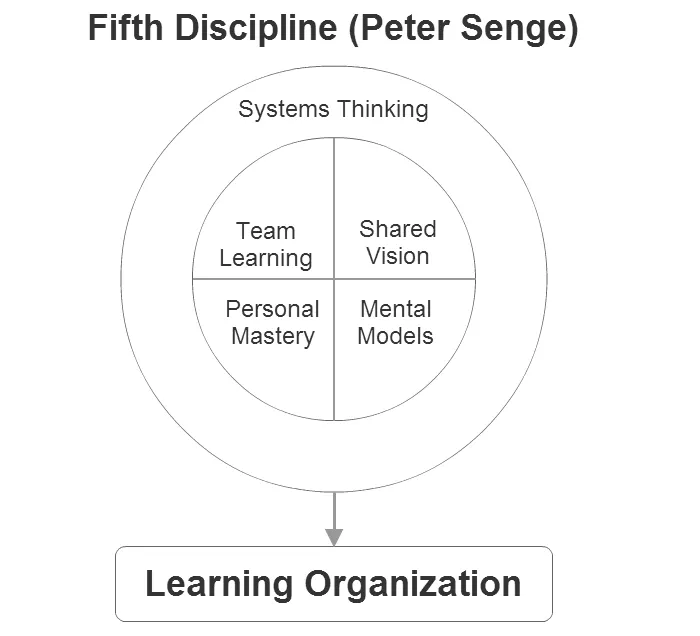
Peter Senge said in The Fifth Discipline: The Art & Practice of The Learning Organization: “Vision without systems thinking ends up painting lovely pictures of the future with no deep understanding of the forces that must be mastered to move from here to there.”
How Systems Theory Differs from Traditional Analysis
Traditional analysis is all about breaking down a complex system to its minutest constituents and analyzing them. Systems theory, on the other hand, is about , their role in the system, and how they interact with each other to achieve the desired result.
When applied correctly, systems theory can produce better, longer-lasting results than traditional analysis. For instance, let us take the issue of crop damage by pests. When crops are getting damaged by a particular type of pests, traditional analysis narrows its focus on the pests alone and recommends using a pesticide to wipe them out. Such a solution, however, is temporary and the crops are more likely to be damaged by other kinds of insects in the long run.
Systems theory, on the other hand, approaches the problem from a different angle. The pests that damage the crops are usually part of an ecosystem. They keep the population of other pests in check.
When you wipe them out completely, there is suddenly no control on the population of other insects, which could cause more damage to your crops. So, the right approach is to introduce predators that feed on the pests that are damaging your crops. By doing so, you can get rid of the pests without damaging the ecosystem and protect your crops at the same time.
Applications of Systems Theory
Systems theory can be applied to persistent problems that cannot be solved by traditional methods. Rather than focusing on the problem alone and assigning blame for it, which is what a traditional problem-solving approach usually entails, you need to look at the particular malfunctioning unit as a small part of the whole system.
Once you broaden your view, you can find out what the unit does, how it interacts with others, and how it contributes towards the end result. Based on the analysis, you can easily figure out what went wrong and how it can be fixed without disturbing the equilibrium of the system.
Systems Theory in Today’s World
The importance of systems theory in today’s world cannot be overstated. Our society is too individualistic and we rely on smart individuals to solve our problems. However, as mentioned above, systemic changes can be brought about only when different sections of the society cooperate with each other. Proposing a solution to a problem is only the first step.
You need to communicate it effectively so that the people in charge understand it clearly. You also need to work with different groups of people to acquire the resources required to develop and implement the solution.
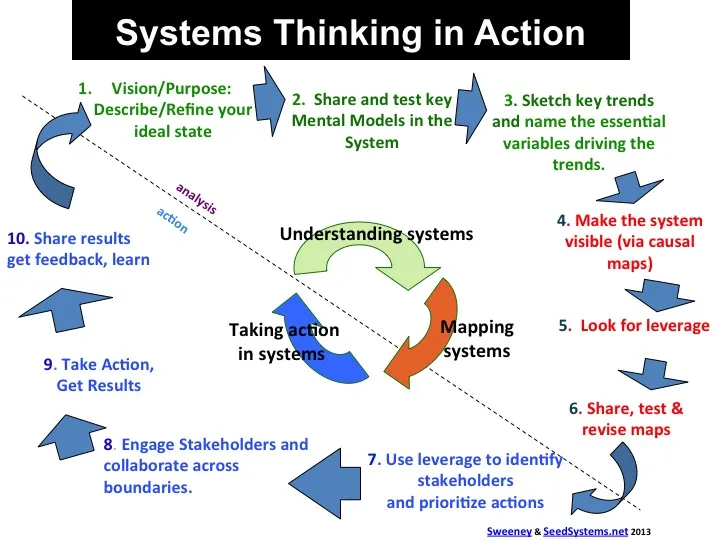
The bottom line is that a family, organization, or society can only succeed if the individual parts cooperate with each other and work as a team. Similarly, a problem with an individual part can affect the whole system and its outcome. Once you understand this simple concept, which is what systems theory is based on, solving complex organizational problems becomes a lot easier.