
One of the problems that we face at a societal level today is that we are too quick to judge each other (well if someone acts like Dylan did in Transformers 3 it is OK to judge them quickly but let’s get back on track). Any time something goes wrong, our first reaction is to judge the person responsible based on his or her character flaws. Maybe they were too greedy.
Maybe they were too stupid. Maybe they were too selfish. Maybe they were too arrogant.
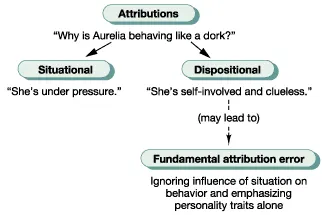
We tend to get fixated on what we perceive as a character flaw and neglect all the other factors that could have contributed to the problem in the first place. This is what psychologists call the fundamental attribution error.
What Is It?
Fundamental attribution error, as the term indicates, is the tendency to judge people’s behavior based solely on their character, while completely neglecting the societal and situational factors involved.
For instance, if a student always gets low grades, you might be tempted to think that he is lazy, not interested in putting in the required effort, or just not too bright.
What if you come to know that the student comes from a poor family whose parents struggle to put food on the table, he works a part-time job to make ends meet, and has hardly time to study? What if the student comes from an abusive household and is forced to live in an environment that is not conducive for a small boy to grow up in?
In such a scenario, your perception of the student will change completely. Because now you know that the low grades are not his fault per se and that he is a product of his environment.
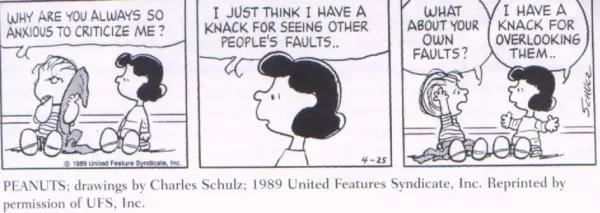
The important thing to be noted here is that people who judge others at the drop of a hat seldom blame themselves when something goes wrong. They try to attribute it to situational factors and convince themselves and others that they would not have done so, had it not been for a particular reason.
Avoiding Fundamental Attribution Errors in Daily Life
Once you understand what fundamental attribution error is and why it is a flawed way of understanding other people’s behavior, you will be able to change your worldview entirely and look at people in a completely different, non-judgmental manner.
When someone is not paying attention to you while you are talking to them, when someone snaps at you for no reason, when someone does not offer you their help even though you have helped them out many times in the past, or when someone does something wrong and it affects you on a personal or professional level – in each of these scenarios, instead of jumping to conclusions about the person’s behavior right away, pause for a second and think about the factors that could have made them act the way they did.
Does this mean that people’s behavior can always be attributed to societal and situational factors? Of course not! In many cases, people’s behavior and actions can be attributed to their character flaws. You should, however, always look for alternative explanations before coming to a negative conclusion about a person.
Once you develop the habit of trying to understand a person’s behavior rather than judging them quickly, you will be able to empathize with others more and build long lasting bonds in your personal as well as professional life.